

Gutter inspection is one of the most important maintenance tasks you can perform to protect your home from water damage and foundation problems. In this blog, we’ll walk through key reasons to inspect your gutters, share a practical checklist, and give you 7 helpful tips so you know what to look for and how to act. Regular inspections help extend the life of your roofing and gutter system while saving you money by preventing costly repairs.
We are proud to serve home and business owners in Palm City, FL, and nearby communities with gutter inspection and more. Whether you’re preparing for rainy seasons or recovering from a storm, understanding what to check can make all the difference. Here’s what you’ll learn:
- Inspection benefits: Why checking your gutters helps protect your home.
- DIY checklist: What to look for when inspecting gutters yourself.
- Practical tips: How to make the inspection process safer and more effective.
- Signs of trouble: What problems mean it’s time for a professional.
- Maintenance frequency: How often your gutters should be inspected.
Why a Gutter Inspection Matters
Gutters play an essential role in directing water away from your home. When they become clogged or damaged, water can back up under roofing materials, seep into walls, or pool around the foundation. Over time, this leads to rot, mold, and structural problems that are expensive to fix. A thorough gutter inspection helps you catch small issues before they become big headaches.
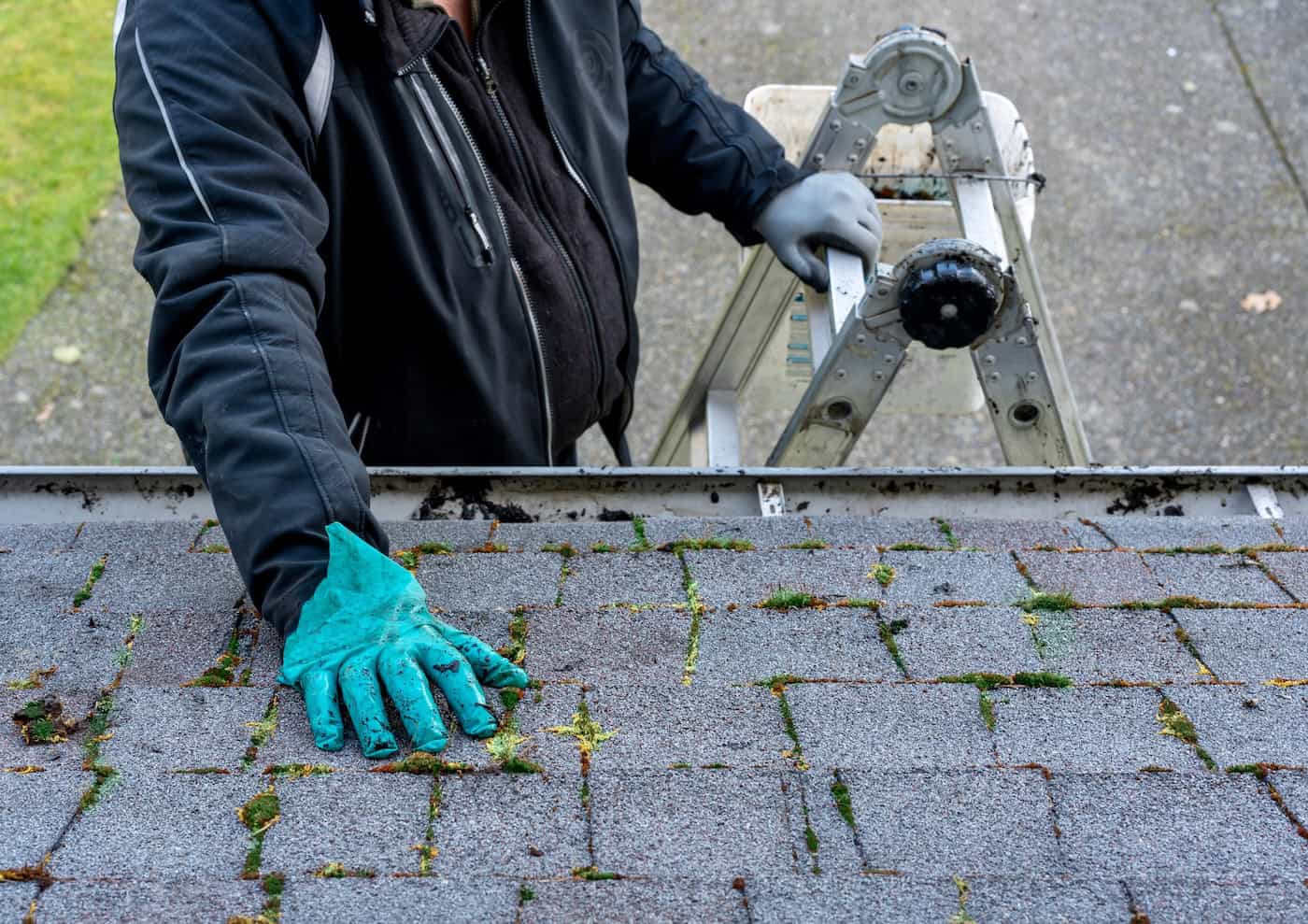
Professional inspectors look at the entire system including gutter alignment, fasteners, downspouts, and drainage flow. Homeowners can perform many checks on their own with a ladder and a simple checklist. This section explains what to focus on and why.
What Is Included in a Gutter Inspection
An effective gutter inspection includes several key checks. You want to make sure all parts of the system are working together to protect your home from water damage. Below are some of the main items to include in your routine check.
- Gutter alignment: Ensure gutters are sloping correctly so that water flows toward downspouts without standing in segments of the trough.
- Debris buildup: Remove leaves, sticks, large debris, and other blockages that reduce flow or add weight.
- Downspout connection: Check that downspouts are firmly attached and directing water at least a few feet away from the foundation to avoid ground damage.
- Fastener stability: Look for loose or missing screws and brackets that can allow gutters to sag or pull away from the roof edge.
- Signs of rust or wear: Examine the metal for rust spots, holes, and the seams for signs of separation.
- Water flow test: Use a hose to run water through the gutters and confirm there are no leaks or slow spots.
Completing these items at least twice a year helps maintain performance and extends the lifespan of your gutter system.
7 Tips for an Effective Gutter Inspection

Here are practical tips that make your inspection more effective and safe. Follow these tips during spring cleaning, before rainy seasons, or after heavy winds.
- Safety first: Always use a sturdy ladder placed on a flat surface when accessing your roofline. Wear gloves and protective eyewear.
- Regular schedule: Inspect gutters at least every spring and fall—and once during winter if you live in colder climates where freezing water can cause damage.
- Check after storms: High winds and heavy rain can loosen fasteners or shift gutters out of alignment.
- Look for pest signs: Birds and insects often nest in clogged gutters. Address nests to prevent blockages.
- Clear downspouts completely: Use a plumber snake or pressure nozzle to remove stubborn clogs from vertical downspouts.
- Evaluate drainage: After running water through the system, walk around your yard to check that water is draining away from your foundation.
- Document issues: Take notes or photos of problem areas so you can track if issues worsen over time or need professional assistance.
Common Gutter Problems Comparison
The table below highlights common issues that often show up during a gutter inspection. This comparison helps you understand how each problem affects your home and what steps you might take next.
| Problem Type | Most Common Causes | Impact on Home | Typical Solution |
| Clogs | Leaves, pine needles, debris | Water overflow, pests | Gutter cleaning and consider guards |
| Sagging Gutters | Loose fasteners, heavy debris | Poor drainage, roof damage | Tighten or replace brackets |
| Leaks at Seams | Worn joints, rust | Water stains on siding | Seal or replace affected sections |
| Detached Downspouts | Improper installation, impact | Poor water discharge | Reattach and secure downspouts |
| Rust and Corrosion | Age, moisture exposure | Weakens gutter material | Replace panels or system |
| Improper Slope | Poor installation | Standing water | Adjust pitch to improve flow |
How Often Should You Inspect Your Gutters?
A common question homeowners ask is how often they should inspect their gutters. The answer depends on your environment and home location, but these general guidelines apply to most houses:
- Homes near trees: Check more often due to falling leaves and needles that clog gutters quickly.
- Storm-prone areas: Inspect after major weather events to catch damage or shifted components.
- Seasonal maintenance: Perform a full inspection at least twice a year—once in the spring and once in the fall.
- Signs of drainage issues: If you spot problems like pooling water or water stains, inspect immediately.
- Local factors: In Palm City, FL, tropical storms and dense vegetation make twice-yearly inspections especially important.
Signs You Need a Gutter Inspection Now
Some warning signs mean you should inspect your gutters right away. These signs often show up before you see visible water damage. Knowing what to look for helps you address problems quickly.

Visible Water Overflow
If water is running over the sides of your gutters during rain, they are not draining correctly. This could mean there is a clog, the slope is wrong, or the downspouts are blocked. Frequent overflow leads to water damage on siding and around windows.
Stains on Exterior Walls
Dark stains or streaks on your siding indicate water is spilling out of the gutters instead of being directed away from the house. This staining can lead to paint damage and rot later if not addressed.
Sagging or Pulling Away
If gutters are sagging from the house or pulling away from the roofline, then fasteners may be loose or the system may have accumulated too much weight from debris. Sagging prevents proper water flow and should be fixed promptly.
Pooling Water Around Foundation
After a rain event, check around your foundation. Puddles or wet spots close to the house indicate that downspouts are not moving water far enough away. This condition can cause foundation erosion and basement moisture issues.
Pest Activity
Swarming insects, bird nests, and other pest activity around the roofline and gutters could mean debris has created a hospitable blockage. Clearing these areas helps reduce pest problems and restores water flow.
Why Homeowners Trust Walsh Roofing for Gutter Protection

At Walsh Roofing we know that a clean, functional gutter system is critical for long-term home protection. Our experienced team provides thorough inspections that catch hidden issues early and help homeowners avoid costly water damage. We use the right equipment for every job and can recommend whether you need cleaning, repairs, or added protection like gutter guards. We understand local weather patterns in Florida and how heavy rain and tropical storms affect gutters and roofing systems.
When you choose us, you get personalized attention and reliable service that you can count on year after year. Reach out to Walsh Roofing today to schedule a free gutter inspection or to request a personalized quote. We are here to help you protect your home, season after season.