

A storm can move through fast and leave serious roof damage behind. Whether caused by high winds, heavy rain, hail, or flying debris, the damage to your roof can be worse than it looks from the ground. At Walsh Roofing, we’ve been handling storm roof damage repair across Southeast Florida since 2003. Our team responds quickly, documents everything, and does the work right the first time. If your home took a hit in a recent storm, you need to reach out to us to help restore your home.
Storm Damage Gets Worse Every Day You Wait
It’s easy to assume a little roof damage can wait. But in Florida’s climate, even minor storm damage can turn into a much bigger problem within days.
Here is what happens when roof repairs are delayed after a severe storm:
- Water Damage Spreads Fast: Active leaks and small breaches allow water to move into the attic, insulation, and framing. Once water gets in, it travels.
- Mold Growth Starts Quickly: Florida’s heat and humidity create the right conditions for mold to develop within 24 to 48 hours of water intrusion.
- Hidden Roof Damage Goes Undetected: What looks like a few missing shingles on the surface can be covering damaged decking or compromised underlayment underneath.
- Insurance Claims Have Time Windows: Many insurance companies require prompt reporting of storm damage. Waiting too long can affect your eligibility.
- Temporary Repairs Become Permanent by Default: Emergency tarping and temporary patches protect your home in the short term, but they are not a substitute for a permanent repair. The longer a temporary fix sits, the more the surrounding area deteriorates.
Getting a roof inspection right after a storm is the best way to understand your damage severity and protect your home and your insurance claim.
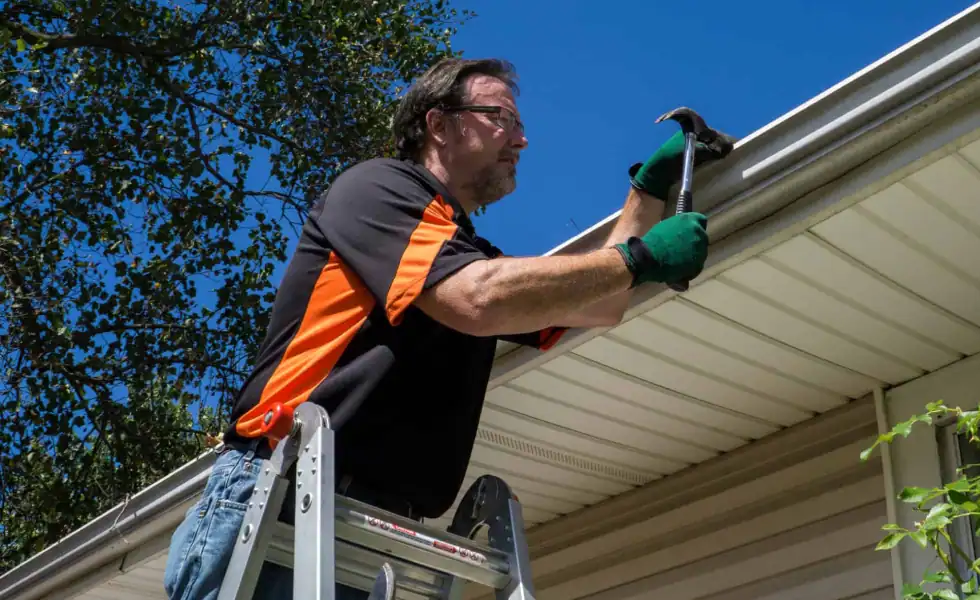
What Storm Damage Looks Like on a Residential Roof
Not all roof storm damage is visible from the ground. Our trained roofing experts at Walsh Roofing know where to look and what to look for. These are the most common types of storm damage we find during a damage assessment:
Missing or Lifted Shingles
High winds can lift, crack, or remove asphalt shingles entirely. Once shingles are gone or compromised, the underlayment and roof decking below are exposed to the elements. This is one of the most common forms of wind damage we see after Florida storms.
Impact Damage from Hail and Debris
Hail damage leaves dents, cracks, and granule loss across the roof surface. For tile and metal roofs, impact from tree limbs or wind-driven debris can cause fractures, punctures, or denting across the damaged area. Hailstorm events are especially damaging because the impact is spread across the entire roof, making partial replacement a common outcome.
Flashing Damage
Metal flashing around chimneys, vents, skylights, and roof edges is especially vulnerable in high winds. When flashing lifts or separates, water finds a direct path inside. This type of damage is easy to miss but causes significant water damage to interior areas over time.
Soffit and Fascia Damage
Wind damage frequently pulls at soffits and fascia boards along the roofline. Damaged soffits open up entry points for water, pests, and humidity. These damaged areas are often overlooked in a basic visual inspection, but they matter for both function and long-term roof health.
Gutter Damage
Storms frequently bend, detach, or completely pull gutters away from the roofline. When gutters fail, water pours directly down the side of your home and collects near the foundation. Gutter damage is worth addressing alongside any roof repairs to protect your home’s structure.
How We Handle Residential Storm Roof Repairs
We keep things simple and clear from the first call to the final inspection. Here is what the process looks like when you work with Walsh Roofing:
Step 1: You Call, We Answer
When you contact us after a storm, you get a real person. Quick scheduling is one of the things our clients appreciate most. We do not make you wait days to even get someone on the phone.
Step 2: Thorough Roof Inspection
Our roofing expert performs a full roof inspection, including photos and documentation of all damaged areas. This report is not just for us. It gives you a clear picture of what happened and supports your insurance claim.
Step 3: Clear, Honest Estimate
After the inspection, we walk you through a detailed estimate with no surprises. You will know what the repair cost covers and what to expect before any work begins. Our estimates are obligation-free.
Step 4: Repairs by W2 Employee
Every person who works on your roof is a Walsh Roofing employee, not a subcontractor. Our team has an average tenure of 10 years. That level of experience and consistency shows in the work.
Step 5: Post-Repair Documentation and Warranty
When the job is done, we provide before and after photos and back our work with a 10-year workmanship warranty. We also register your product warranties on your behalf, which most roofing contractors simply do not do.

Storm Repairs for Every Residential Roof Type
Not every home has the same roof, and storm damage shows up differently depending on the roofing materials involved. We work on high-end homes across Southeast Florida, so our team is experienced with the full range of residential roof types you will find in this region. Here is how we approach each one:
Tile roofs (clay and concrete)
When it comes to tile roof repair after storm damage, hail and wind-driven debris are the most common culprits. Both clay and concrete tiles can crack or fracture on impact, leaving the underlayment exposed to the elements. Spot repair is possible when damage is contained, but widespread hail storm impact across the full roof surface often calls for a partial replacement or full reroof assessment.
Asphalt shingles
Asphalt shingle roof repair after storm damage most often involves addressing wind damage and missing shingles. High winds can lift, curl, or remove shingles entirely, exposing the decking underneath. Spot repairs work well when the surrounding area is in good condition, and damage is localized to a specific section of the roof surface.
Flat roofs
Flat roof repair after storm damage typically starts with identifying where water has found its way in. Heavy rain can reveal weak spots, punctures, and drainage failures that were not visible before the storm. Emergency tarping is sometimes the first step to stop active leaks while we complete a full damage assessment and plan permanent repairs.
Natural slate roofs
Natural slate roof repair after storm damage requires precision and experience with the material. Slate is one of the most distinguished roofing materials available, and impact from debris can crack or displace individual pieces. Our team handles slate with the care it demands, prioritizing spot repair that preserves the integrity and appearance of the surrounding roof.
Metal roofs
Metal roof repair after storm damage often centers on fastener failure, panel uplift, and impact dents from hail or wind-driven debris. While metal is one of the more resilient roofing materials available in Southeast Florida, a strong storm can still compromise seams, flashings, and panel connections in ways that are not always visible from the ground. Our team inspects the full system, not just the surface, to make sure any vulnerabilities are addressed before the next storm season.

Storm Roof Repair and Your Homeowner’s Insurance
Dealing with insurance claims after storm damage is one of the most stressful parts of the process for homeowners. Here is what to know:
- Documentation: Take photos of your roof, gutters, and any interior water damage as soon as it is safe to do so.
- Contact Insurance Company: Most insurance companies require timely reporting of storm damage. Delays can complicate your claims process.
- Professional Inspection: Walsh Roofing provides detailed inspection documentation that insurance adjusters can use during the claims process. Our photos and reports give your claim a solid foundation.
- Understand Your Coverage: Insurance coverage for storm damage varies by policy. Know your deductible and what your policy specifically covers for wind damage, hail damage, and water damage before speaking with your adjuster.
- Temporary Repairs: Emergency tarping and temporary repairs show insurance companies you acted responsibly to prevent further damage. Neglecting a damaged roof after a storm can be used to deny or reduce your payout.
- Warranty Registration: After repairs are complete, we register your product warranties on your behalf. This is something most roofing contractors skip entirely.
Storm Damage Repair Checklist: What to Do Right After a Storm
Use this roof storm damage checklist to make sure you are taking the right steps as soon as the weather clears:
- Stay safe. Do not go on your roof.
- Check for active leaks and interior water damage.
- Take photos of all visible damage, inside and outside.
- Contact your insurance company to report the damage.
- Call Walsh Roofing for a free inspection.
- Request emergency tarping if you have active leaks or large exposed areas.
- Keep records of all correspondence with your insurance company and your roofing contractor.
- Get a written estimate before any permanent repair work begins.
Serving Homeowners Across Southeast Florida
Walsh Roofing provides residential roofing services after storm damage across a wide service area. Our primary service counties include:
- Martin County
- Palm Beach County
- St. Lucie County
We also serve homeowners in many neighboring counties, including Indian River, Brevard, Okeechobee, Orange, Osceola, Seminole, Sarasota, Manatee, Hillsborough, Pinellas, and more. If you are unsure whether we serve your area, give us a call.
We Are Available When Storms Hit
Storm damage does not wait for business hours, and neither do we. When a storm rolls through Southeast Florida and leaves your roof compromised, getting the right team on-site quickly is the difference between a manageable repair and a much larger problem.
We offer 24/7 emergency roof repair services for residential properties across the Treasure Coast region. When you call us, someone answers. We will get eyes on your roof, assess what needs to happen first, and get to work. That might mean emergency tarping to stop an active leak the same night, or it might mean a full damage assessment first thing the next morning. Either way, you will know exactly what is going on and what comes next.
Your home deserves to be in the hands of people who take the work seriously. At Walsh Roofing, we built our reputation on being the company that shows up, communicates clearly, and gets the job done right.
Our team has been handling storm repairs on high-end homes in Southeast Florida for over 21 years. We have deep roots in this community, and we treat every home like it matters because it does.
Your roof is your home’s first line of defense, and after a storm, every day counts. Do not wait for a small problem to become a costly one. Call us today or request your free estimate online. Treasure Coast: 772.781.0900 Central Florida: 407.698.5002
Frequently Asked Questions About Storm Roof Repair
How soon after a storm should I get my roof inspected?
As soon as it is safe to do so. Storm damage that involves active leaks or missing roofing materials should be addressed within 24 to 48 hours when possible. Prompt action protects your home and supports your insurance claim.
Will my homeowner’s insurance cover storm roof repair?
Most homeowner’s insurance policies include coverage for storm damage from wind damage, hail damage, and heavy rain. Coverage and deductibles vary by policy. We recommend contacting your insurance company right away and requesting a full inspection before filing your claim.
How long does a residential storm roof repair take?
It depends on the damage severity and the scope of work. Spot repairs and spot repair sections on a localized damaged area can often be completed in a day. Partial replacement or a full reroof takes longer and depends on weather conditions, material availability, and the size of the damaged area.