
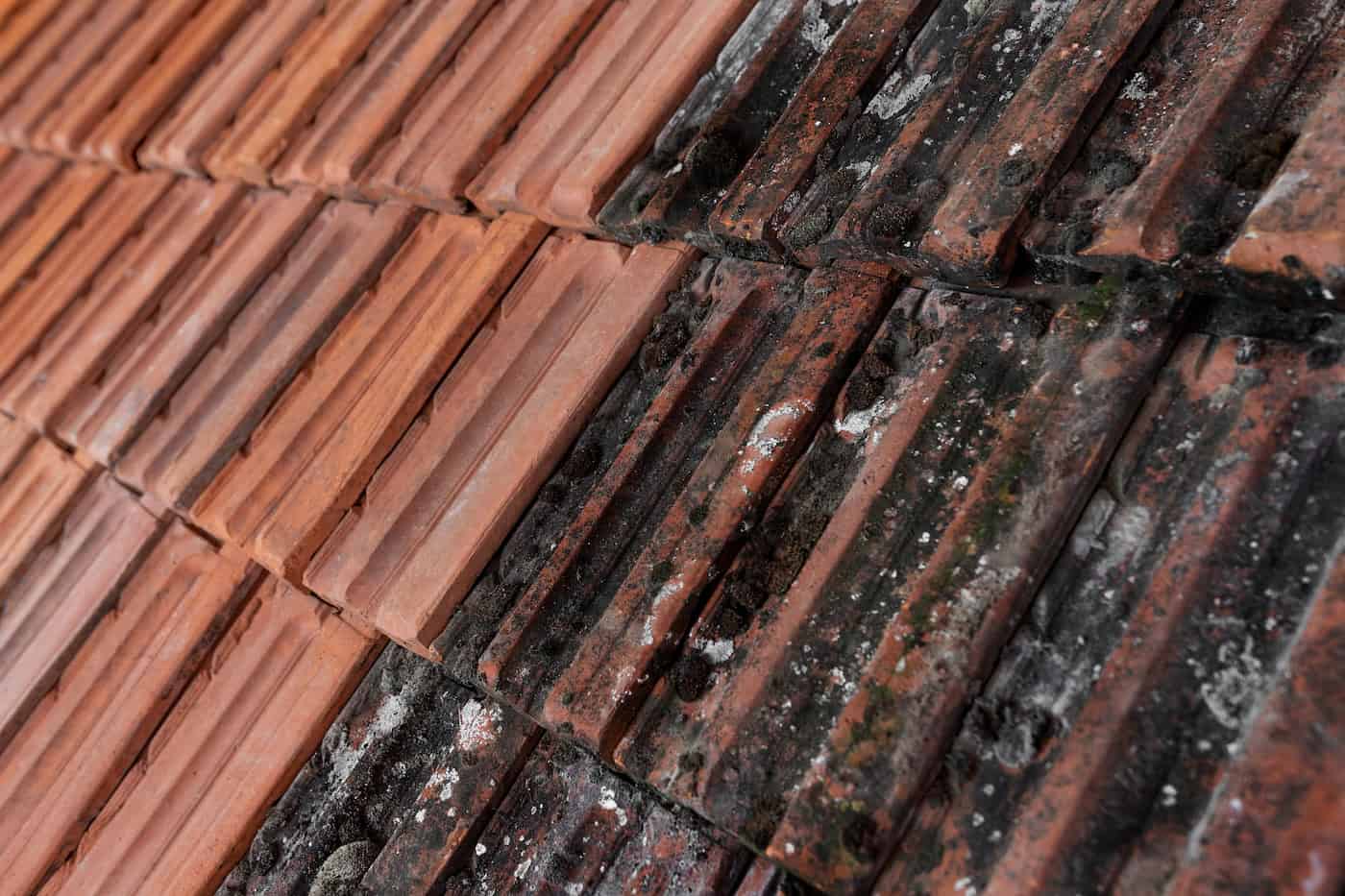
Roof mold removal is a critical task for homeowners living in warm, humid environments like Florida. Mold, algae, and mildew thrive in these conditions—particularly on shaded or north-facing roof surfaces. Left untreated, roof mold can shorten the life of your shingles, reduce energy efficiency, and lead to costly structural repairs. In this guide, we’ll walk you through a safe, effective removal process, explain what causes mold buildup, and help you decide when to bring in a professional.
We are proud to serve home and business owners in Jensen Beach, FL, and surrounding areas with roof mold removal, soft washing, inspections, and full roofing solutions. If you’ve spotted black streaks or discoloration on your shingles, now’s the time to act.
- What roof mold is: How it forms and why it spreads.
- Safe removal steps: Follow our 5-step method.
- Prevention tips: Keep mold from returning.
- DIY vs pro: Know when it’s time to get help.
- Roof types comparison: How different materials handle mold.
What Causes Roof Mold in Florida?
Mold, algae, and lichen thrive on roofs that stay damp, especially in areas shaded by trees or surrounded by vegetation. In coastal cities like Jensen Beach, rain, salt air, and year-round humidity create the perfect storm for organic growth.

Mold often appears as dark streaks or splotches. While it may look like simple dirt at first, it can spread quickly across shingles or tile, degrading materials and making your home look aged or poorly maintained. Treating mold early prevents permanent staining and helps maintain the value of your roofing system.
Conditions That Encourage Mold Growth
- Constant moisture: Rain, humidity, and poor ventilation keep surfaces wet.
- Shaded areas: Lack of sunlight prevents roofs from drying out fully.
- Debris buildup: Leaves and branches trap moisture and feed mold.
- Aging shingles: Older roofs with worn granules are more porous and absorbent.
5 Steps to Safely Remove Roof Mold
If your roof has visible streaks or patches of mold, here’s how to clean it safely without causing damage. Always follow safety protocols and use soft-wash methods designed for roof surfaces.
- Inspect and prepare the area
Walk around your home to assess mold severity and roof condition. Check for loose shingles or damage that might complicate cleaning. Cover nearby plants with tarps to protect them from runoff. - Choose the right cleaning solution
Use a roof-safe mold cleaner or make a mix of water, bleach, and surfactant (such as dish soap). Never use straight bleach—it can damage shingles and landscaping. - Apply solution with a sprayer
Use a garden sprayer or low-pressure soft wash system to apply the solution across affected areas. Start at the bottom and work upward to prevent streaking. - Let it soak, then rinse gently
Allow the cleaner to sit for 15–20 minutes. Rinse gently with a hose or soft-wash rinse tool. Do not use high-pressure washers, which can dislodge granules or crack tiles. - Reinspect and repeat if needed
After drying, check for any remaining mold or streaks. A second application may be needed for deep staining. Document problem areas to monitor future buildup.
Types of Roof Mold and What They Mean
Not all discoloration on your roof is the same. Here’s how to identify the most common types of organic growth:
| Type of Growth | Appearance | Risk to Roof | Removal Difficulty |
| Black Mold (Algae) | Dark streaks | Moderate | Easy with soft wash |
| Lichen | Crusty green-gray patches | High | Requires repeat treatments |
| Moss | Thick green clumps | Severe | Can lift shingles and trap moisture |
| Mildew | Light gray spots | Low | Usually surface-level, easy to clean |
Knowing what type of growth you're dealing with helps you choose the right removal method and treatment schedule.
Tools and Safety Gear You’ll Need
Roof cleaning comes with risks—especially on sloped or wet surfaces. Always prioritize safety when removing mold. Consider working with a partner or hiring a pro if your roof is steep or your equipment is limited.
Must-Have Tools and Supplies
- Roof-safe cleaner: Commercial or homemade bleach mix
- Pump or garden sprayer: For applying solution evenly
- Non-slip shoes: Critical for wet surfaces
- Extension ladder: Placed securely on level ground
- Gloves and goggles: Protect against chemical splashes
- Hose with spray nozzle: Used for rinsing
- Tarp or plastic sheets: Protect plants and siding from runoff
Always check your roofing manufacturer’s guidelines before applying any chemicals.
Preventing Future Mold Growth

Once your roof is clean, prevention becomes your top priority. Mold thrives in dark, damp, and organic-rich environments. These strategies will help reduce recurrence:
- Trim tree limbs: More sunlight = drier surfaces
- Install zinc or copper strips: These metals release ions that prevent mold
- Keep gutters clean: Prevent moisture pooling along roof edges
- Inspect annually: Regular checks help you act before problems spread
- Improve attic ventilation: Reduces internal heat and moisture buildup
Taking preventive action now saves you from repeat cleanings and costly repairs.
When to Hire a Professional
DIY mold removal is doable on small, accessible roofs—but large homes, steep pitches, or tile materials call for professional help. Experienced technicians can spot hidden issues and clean more safely.

Pros Are Ideal For:
- Tile or slate roofs that crack under pressure
- Multi-story homes or hard-to-reach sections
- Advanced mold, lichen, or moss infestations
- Pairing cleaning with full roof inspection
- Ensuring warranty-safe methods are used
If you’re unsure whether to handle it yourself, start with a professional inspection. Many services in Florida include a free quote and visual evaluation.
Why Homeowners in Jensen Beach Trust Walsh Roofing
At Walsh Roofing, we take roof mold seriously—because we know how quickly Florida’s climate can turn small issues into expensive problems. Our trained crews use safe, effective soft-wash techniques to eliminate mold, algae, and other contaminants without damaging your roof materials.
Contact Walsh Roofing today to schedule your cleaning or request a customized quote. We’ll help you remove the mold, restore your roof’s appearance, and prevent future growth the right way.